From Soundtracks to Sketchbooks: Creative Ways to Enjoy Anime and Video Game Music
For many anime and video game fans, the music stays with them long after the final episode or the credits roll. A familiar battle theme can bring back the excitement of a difficult boss fight, while a peaceful melody might remind someone of exploring a favorite game world for the first time.
Original soundtracks (OSTs) have become an important part of gaming and anime culture. Fans listen to them while studying, working, relaxing, or simply revisiting their favorite stories.
But there is another way to enjoy these soundtracks: combining music with visual creativity.
Coloring characters and scenes while listening to their associated music offers a different way to experience familiar worlds. From Pokémon adventures to dramatic anime battles and atmospheric role-playing games, the connection between music and visual art creates plenty of opportunities for creative expression.
Why Soundtracks and Visual Art Work Together
Music and visual design are two essential parts of storytelling.
In video games, composers use melodies, instruments, and rhythm to establish the atmosphere of different locations. A peaceful village might feature gentle strings or acoustic instruments, while a challenging boss encounter introduces faster rhythms, heavy percussion, and dramatic orchestration.
Anime uses similar techniques. Music helps communicate emotions that dialogue and animation cannot always express on their own.
These musical elements can also inspire visual choices.
A lively, energetic track might encourage bright colors and strong contrasts. A slower, reflective piece may suggest softer tones, subtle shading, and a more restrained palette.
When fans combine soundtrack listening with coloring or drawing, they can experiment with these connections. Instead of reproducing a character’s official appearance exactly, they can interpret the atmosphere of the music through color.
This approach works particularly well with franchises known for memorable character designs and distinctive soundtracks.
Pokémon: Bringing Familiar Adventures to Life
Pokémon is an excellent example of a franchise where music and visual identity work together.
Across generations of games and animated series, Pokémon music has helped establish the feeling of adventure. Cheerful town themes, mysterious exploration tracks, and energetic battle music each evoke different moments from the Pokémon universe.
These musical differences provide inspiration for coloring.
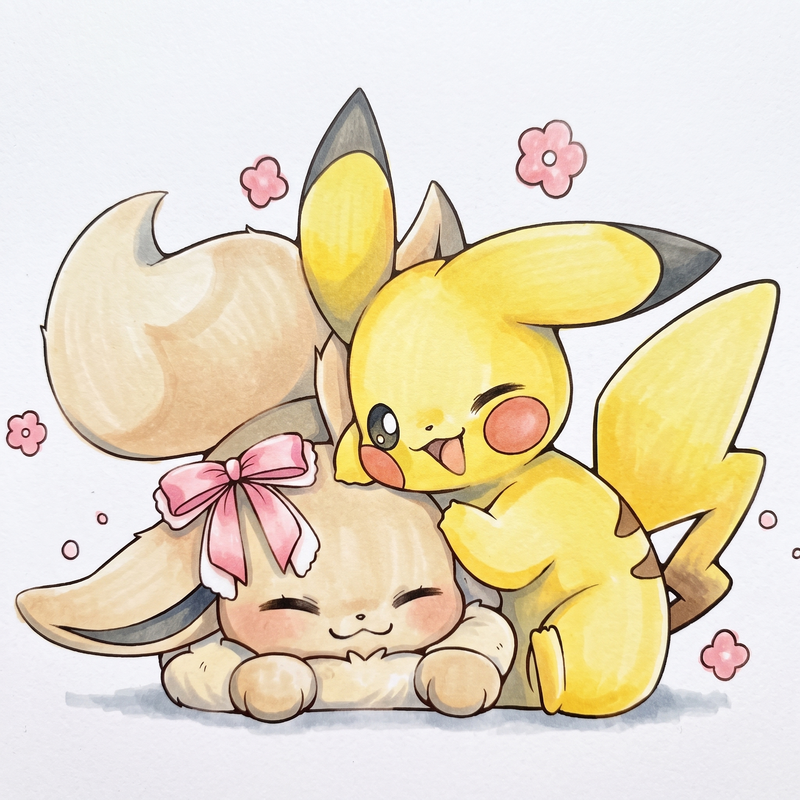
Consider Pikachu, whose familiar yellow appearance is instantly recognizable. Listening to an upbeat battle theme might inspire an illustration filled with electric blues, bright yellows, and energetic orange accents.
Eevee and its evolutions offer even more opportunities for experimentation. Each evolution has a distinct design and elemental association, making it possible to explore different palettes while maintaining the character’s identity.
Fans interested in experimenting with these designs can explore free Pokémon coloring pages on ColorCove. The collection includes familiar characters such as Pikachu, Eevee, Charizard, and Pokémon from different generations.
One creative exercise is to choose a Pokémon soundtrack and design a color scheme around its atmosphere. A peaceful exploration theme could inspire soft pastels, while a dramatic battle track might encourage darker backgrounds and stronger highlights.
The result does not have to match official artwork. Part of the enjoyment comes from imagining how familiar characters might look in a different visual atmosphere.
Anime Soundtracks: Translating Emotion Into Color
Anime music frequently moves between emotional extremes, making it particularly interesting for visual projects.
Consider Demon Slayer: Kimetsu no Yaiba. Its soundtrack combines orchestral arrangements, traditional Japanese musical influences, and dramatic action cues to reinforce the series’ atmosphere.
The music associated with an intense confrontation naturally suggests a different color palette from the quieter moments between characters.
For a Tanjiro illustration, fans might emphasize deep greens, charcoal blacks, and fiery orange highlights. Nezuko’s design, meanwhile, provides opportunities to work with pinks, dark browns, and softer complementary shades.
The series’ music offers additional inspiration. Fans interested in its compositions can explore the Demon Slayer: Kimetsu no Yaiba Pillar Training Arc Original Soundtrack, featuring music by Go Shiina and Yuki Kajiura.
Other anime series suggest entirely different visual approaches.
Dragon Ball lends itself to vibrant yellows, electric blues, and dramatic energy effects. Sailor Moon encourages pastel pinks, elegant blues, and celestial details. Meanwhile, the quieter fantasy atmosphere of Frieren: Beyond Journey’s End can inspire natural greens, warm earth tones, and gentle lighting.
Fans looking for characters to experiment with can browse anime coloring pages featuring series such as Demon Slayer, Naruto, Dragon Ball, One Piece, and Sailor Moon.
A useful approach is to listen to a piece of music before selecting colors. Rather than immediately following the character’s established palette, consider what emotions the composition suggests.
A slow piano passage might inspire cooler shades and softer transitions. A powerful orchestral climax could lead to more saturated colors and dramatic contrast.
The goal is not simply to reproduce the anime’s appearance, but to interpret its music visually.
Video Game Music: Capturing the Atmosphere of Different Worlds
Video game soundtracks offer particularly interesting opportunities because their music is often closely connected to specific environments.
The Legend of Zelda demonstrates this relationship especially well.
Exploring Hyrule can involve quiet ambient music, memorable location themes, and dramatic orchestral passages. Each contributes to the identity of the game world.
A scene inspired by the forests of Hyrule might use muted greens, warm sunlight, and natural textures. A more mysterious dungeon-inspired illustration could feature cool blues, subdued grays, and darker shadows.
Fans exploring the music of the series can find extensive soundtrack information in Sonix’s OST archive, including The Legend of Zelda: Tears of the Kingdom Original Soundtrack.
Other games offer their own distinctive combinations of sound and visual design.
Genshin Impact features music associated with varied regions and environments, making it suitable for experimenting with landscapes, atmospheric lighting, and character illustrations.
Hollow Knight uses a more subdued visual atmosphere, with dark environments and restrained colors that complement its melancholic musical identity.
Meanwhile, Super Mario provides a completely different experience, with cheerful melodies and colorful character designs that work well with bold primary colors.
For those looking to experiment with these ideas, ColorCove offers video game coloring pages featuring franchises such as The Legend of Zelda, Genshin Impact, Super Mario, Minecraft, and Hollow Knight.
These illustrations provide a starting point for exploring how different soundtracks can influence the appearance of familiar gaming worlds.
How to Create a Soundtrack-Inspired Coloring Session
Combining music and coloring does not require specialized equipment or artistic experience. A simple setup is enough to get started.
- Choose a soundtrack. Select an anime or game OST that you enjoy. Instrumental tracks are particularly useful when you want to focus on a consistent mood without interruptions from dialogue or lyrics.
- Pick a matching character or scene. Choose artwork from the same franchise, or experiment with an entirely different character that fits the music’s atmosphere.
- Build a color palette. Listen to the first few tracks and identify the mood they create. Energetic music might suggest bright contrasts, while calm compositions may work better with muted colors.
- Color while listening. Use colored pencils, markers, or digital coloring tools. Allow the music to influence your choices without worrying about creating a perfect result.
- Compare different interpretations. Try coloring the same character while listening to two contrasting soundtracks. Notice how the atmosphere influences the colors, shading, and overall appearance.
This activity can be as simple as a short creative break or as involved as an ongoing collection of soundtrack-inspired illustrations.
Rediscovering Familiar Music Through Creativity
One interesting aspect of listening to soundtracks while creating art is the opportunity to notice musical details that might otherwise go overlooked.
During gameplay, attention is often divided between exploration, combat, dialogue, and other activities. The soundtrack supports the experience, but it rarely receives the listener’s full attention.
When coloring or drawing, there is more room to appreciate individual instruments, recurring melodies, and changes in musical intensity.
A familiar theme might reveal subtle background strings or a melodic variation that was easy to miss during the original game or anime episode.
This is one reason soundtrack albums remain appealing long after someone has finished the associated story. They offer another way to revisit the world without necessarily replaying the game or rewatching the series.
Adding a creative activity can make that experience more personal.
Final Thoughts
Anime and video game music is more than background entertainment. It is an important part of how fans remember characters, locations, and stories.
Combining soundtracks with coloring and visual creativity offers a simple way to explore that connection.
Whether it is illustrating a Pokémon battle, experimenting with the dramatic colors of Demon Slayer, or capturing the quiet atmosphere of a Zelda landscape, music can provide inspiration beyond the screen.
The next time you revisit a favorite original soundtrack, consider pairing it with a sketchbook or coloring page. You might discover a new appreciation for both the music and the world it represents.
Related posts:
 Top Mistakes New League of Legends Players Make (and How to Avoid Them)
 Why Today’s LoL Gamers Expect Instant Access—Not Just in Matchmaking
 Jakotsu-baba – who is he and why is he so complex?
 Can Playing Against Bots Make You Better at Chess
 Why Skins and Cosmetics Are So Popular in Games?
 Why every CS 1.6 player had a favorite server